
Epilepsy
Diagnosis and management of seizures, alongside developmental care.
Epilepsy is a condition where a child has a tendency to have seizures — brief changes in the brain's electrical activity that can affect movement, awareness, sensation or behaviour. Seizures can look very different from child to child.
With accurate diagnosis and the right management, many children with epilepsy have their seizures well controlled and get on with childhood. Care also considers development, learning and family wellbeing.
What parents often notice
- •Staring spells, or brief moments of “switching off”
- •Jerking, stiffening or unusual movements
- •Sudden changes in awareness, sensation or behaviour
- •Episodes that happen in a similar way each time
- •Developmental or learning changes alongside episodes
Every child is different, and noticing one or two of these doesn't mean your child has epilepsy. If you're unsure, an assessment brings clarity.
How geniuslane helps
Specialist assessment to understand the episodes and reach an accurate diagnosis.
A management plan tailored to your child, reviewed over time.
Attention to development and learning, not just seizures.
Clear guidance and support for families, with app-based follow-up.
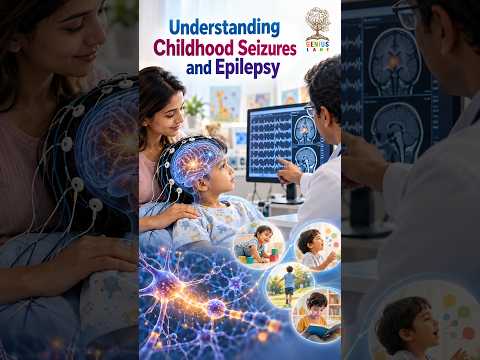
Watch: epilepsy explained
From our team. Useful when reading is one thing too many.


Worried about your child?
Our specialists assess and support children in person across India and the UK, or online. A real person calls you back within 24 hours.
Common questions
What should I do if my child has a seizure?
This is general information, not emergency advice. If your child has a seizure: stay calm, gently move them onto their side, cushion their head, and don't put anything in their mouth or restrain them. Time the seizure. Call emergency services if it lasts more than 5 minutes, if they don't come round, or if it's their first seizure. Always follow any plan your child's specialist has given you.
Can epilepsy be managed?
For many children, seizures can be well controlled with the right diagnosis and management. Care is personalised and reviewed over time.
Does epilepsy affect learning?
It can, for some children. Good care considers development and learning alongside seizure management, which is why we assess the whole child.
Where we can see your child
Epilepsy assessment and support is available at every geniuslane centre, and online wherever you are.
Related care
This page is general information to help parents, not a medical diagnosis or a substitute for professional advice. Every child is different. For a diagnosis or personalised guidance, book an assessment with our team. In an emergency, contact your local emergency services.